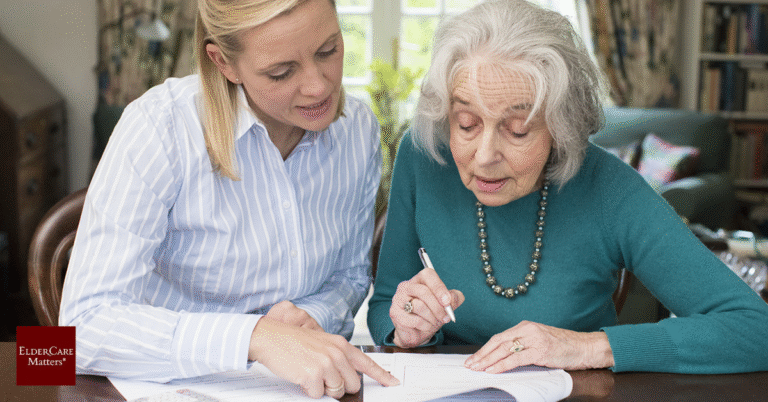
There are a variety of scams that people perpetrate on seniors. Most are geared towards draining them financially or to secure their information for identity theft. Below are some of the most common types of Senior Scams:
- Medicare and Healthcare Scams: Also known as a Medicare discount-drug card scam, these people will call, email, or even go door to door selling fraudulent discount Medicare drug cards. It is important to note that any situation like this is always a scam – legitimate prescription drug benefit companies are not allowed to make unsolicited sales pitches.
- Free Contests and Magazine Subscriptions: This type of scam is one of the oldest in the book. Almost always done by mail, and now sometimes through email, a scammer will claim that the senior has won a free contest or can have a free subscription to a magazine if they provide enough personal information to verify that it is them.
- Grandparent/Grandchild Scam: This type of scam is done over the phone or through an email. A scammer will pretend to be the senior’s grandchild, asking for money. Usually the “grandchild” is in some dire or embarrassing situation and asks the grandparent not to tell the grandchild’s parents. This prevents the grandparent from checking on the situation first before sending the money.
- Charity Email: This scam tends to be more prevalent during the holidays. Scam artists send out emails soliciting contributions, usually using the name of a legitimate charity, with a link to send money. Seniors will give out their bank account information and other personal information through the link.
How to Prevent Senior Scams
The best way to help prevent someone from scamming your elderly loved one is to have a conversation with them about the risks and warning signs of fraud. For seniors that are less capable of making sound decisions, it is up to family members to be more vigilant in their watch for scams.
Sadly, seniors in the early stages of dementia or Alzheimer’s are more likely to become the target of fraud. It is difficult because the senior still believes that they are capable of making financial decisions even though they may no longer be able to do so on their own. An easy way to protect your loved one from scams is to add an adult child to the senior’s bank accounts to help look for suspicious withdrawals or payments.
If there is a concern that your elderly loved one has been taken advantage of in a scam, the first thing you should do is call a credit reporting agency and put a freeze on any compromised accounts. Adding a lock to the mailbox and taking the senior’s name off of subscription lists can also decrease the chances of a scam.
Michael Ettinger, Esq.
Ettinger Law Firm
Albany, New York